


Why Energy Ratings Matter on Commercial Refrigeration
When buying commercial refrigeration, it is easy to focus on size, price and appearance first. But one of the most important things to consider is the energy rating. Commercial fridges and freezers run day and night, so the amount of electricity they use can have a big effect on your running costs over time.
Whether you are fitting out a restaurant, café, pub, convenience store or professional kitchen, choosing energy-efficient commercial refrigeration can help reduce electricity bills, improve long-term value and support a more sustainable business.
Commercial Refrigeration Uses Energy Around the Clock
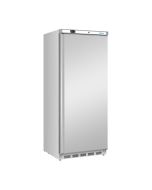
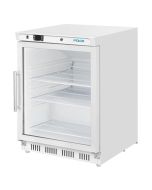
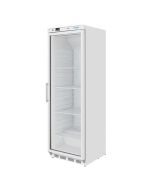
Unlike many other appliances in a professional kitchen, commercial refrigeration is always on. Display fridges, upright refrigerators, undercounter fridges and commercial freezers all need to maintain a safe temperature 24 hours a day. Because of this, even a small difference in energy use can add up over weeks, months and years.
If two units have a similar purchase price, but one is more efficient than the other, the lower running costs could make it the better investment in the long run.
Lower Energy Use Means Lower Running Costs
For many businesses, electricity is a major overhead. Choosing a fridge or freezer with a better energy rating can help keep those costs under control. While a more efficient model may sometimes cost more upfront, it can save money over the life of the appliance.
This is especially important for businesses running multiple refrigeration units, such as restaurants, bars, bakeries, delis and supermarkets. The savings become even more noticeable when several appliances are operating at the same time, every day of the year.
Energy Ratings Make Comparing Models Easier
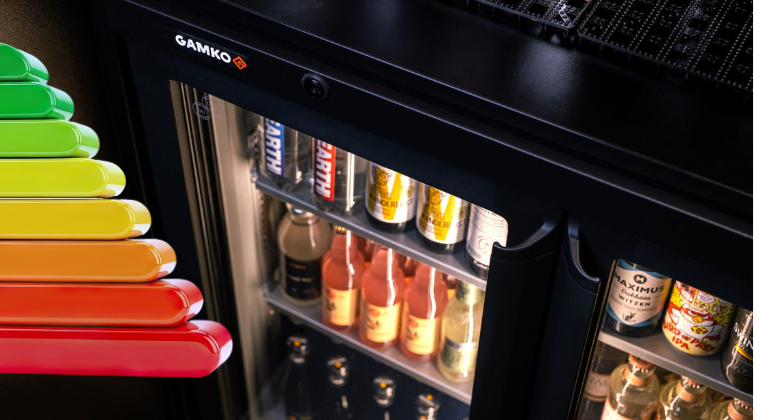
Energy labels help buyers compare commercial refrigeration models more clearly. Instead of relying only on product descriptions, you can look at the rating and energy consumption information to get a better idea of how efficiently a unit performs.
This makes it easier to compare similar products side by side and decide whether paying a little more for a more efficient model is worthwhile for your business.
Better Efficiency Often Means Better Design
Commercial refrigeration with stronger energy performance often includes features designed to reduce wasted energy and improve overall operation. These may include better insulation, efficient compressors, improved airflow, self-closing doors and LED lighting.
These features do not just help reduce power consumption. They can also support more consistent internal temperatures, which is important for food safety, stock quality and day-to-day reliability in busy commercial environments.
Energy-Efficient Refrigeration Can Support Sustainability Goals
Many businesses are looking for ways to reduce their environmental impact. Choosing energy-efficient commercial refrigeration is one practical step that can make a difference. Using less electricity means a lower carbon footprint, and many modern units also use refrigerants with a lower environmental impact than older models.
For businesses that want to improve sustainability without affecting daily operations, upgrading to more efficient refrigeration can be a sensible move.
Why the Cheapest Option Is Not Always the Best Value
A lower purchase price can be appealing, especially when working to a budget. However, the cheapest commercial fridge or freezer is not always the most cost-effective option over time. A unit with a poor energy rating may end up costing more through higher electricity bills, especially if it is running continuously for years.
Looking at the total cost of ownership, rather than just the initial price, gives a more accurate picture of value. In many cases, a better-rated unit can offer stronger long-term savings.
Energy Ratings Matter for Many Types of Commercial Refrigeration
Energy efficiency should be considered across a wide range of refrigeration products, including:
- Commercial upright refrigerators
- Commercial upright freezers
- Undercounter fridges and freezers
- Countertop display fridges
- Multideck display chillers
- Bottle coolers
- Serve over counters
- Back bar coolers
Because these appliances are used in different ways and in different settings, the right balance of performance, capacity and energy efficiency will vary from business to business.
What to Consider When Choosing Commercial Refrigeration
When comparing commercial refrigeration, it helps to look at more than just the size and price. Consider the energy rating alongside:
- How often the unit will be opened
- Where it will be installed
- The ambient temperature of the room
- The amount of stock it needs to hold
- The long-term running cost
- Maintenance and cleaning requirements
Choosing the right unit means finding a model that suits your operation while keeping performance and efficiency in balance.
Conclusion
Energy ratings matter on commercial refrigeration because these appliances are always working in the background. A more energy-efficient fridge or freezer can help reduce running costs, improve long-term value and support a more sustainable kitchen or retail space.
When comparing commercial refrigeration, it is worth looking beyond the upfront price. The right choice could save your business money over the lifetime of the appliance while still delivering the reliable cooling performance you need.