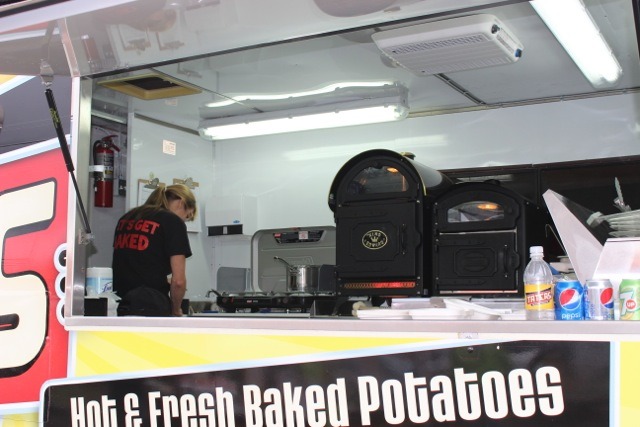



With jacket potatoes surging in popularity across the UK, more people are considering starting a jacket potato trailer, van or pop-up food business. Social media has shown just how profitable a simple menu can be when it’s done properly, but success comes down to the right setup behind the scenes.
This guide breaks down the essential equipment you need to start selling jacket potatoes professionally, without overcomplicating things or overspending.
Why jacket potatoes work so well for traders
Jacket potatoes are one of the most reliable street food options available. They are filling, affordable, easy to customise and suitable for a wide range of dietary requirements. Customers understand them instantly, which means faster ordering and quicker service.
For traders, they offer strong margins, low food waste and a menu that can be scaled up or down depending on demand.
Choosing your setup: trailer, van or fixed site
Before buying equipment, decide where you’ll be operating.
A trailer or food van needs compact, efficient equipment that can handle continuous service. Space, power supply and ventilation all matter. Fixed sites such as cafés or farm shops have more flexibility but still benefit from specialist kit designed for high-volume use.
Whichever route you choose, jacket potatoes work best when cooking and holding can happen at the same time.
The most important piece of equipment: the jacket potato oven
A proper jacket potato oven is the heart of your operation. Domestic ovens and improvised solutions struggle to cope with volume and consistency, especially during busy periods.
View our Potato Ovens here
A specialist jacket potato oven is designed to:
- Cook potatoes evenly
- Produce crisp skins with fluffy centres
- Hold cooked potatoes at serving temperature
- Keep up with continuous demand
This consistency is what keeps queues moving and customers coming back. If jacket potatoes are your main product, this is not an area to cut corners.
Hot holding and service efficiency
Once potatoes are cooked, holding them correctly is just as important as cooking them well. A good jacket potato oven will allow you to cook in batches and hold potatoes ready for service without drying them out.
This means you can serve quickly during peak times rather than making customers wait.
Preparation and topping storage
Your toppings can make or break your offering. You’ll need:
- Refrigerated storage for chilled toppings such as cheese, coleslaw and sour cream
- Heated containers or bains marie for hot toppings like chilli or pulled meats
- A clean, organised prep area for assembling orders quickly
- Keeping toppings well organised speeds up service and helps maintain food safety standards.
- Power, gas and ventilation considerations
Depending on your oven choice, you’ll need to plan for either gas or electric supply. Many mobile traders favour gas-powered equipment for flexibility, but ventilation is essential.
Make sure you account for:
- Adequate extraction
- Gas safety compliance
- Electrical capacity for fridges, lighting and payment systems
Getting this right early avoids costly changes later.
Serving and packaging
Jacket potatoes are typically served in compostable trays or boxes that can handle heat and generous toppings. Sturdy packaging improves customer experience and reduces mess.
You’ll also need:
- Cutlery suitable for hot food
- Napkins
- Clear menu boards with pricing that’s easy to read from a queue
Simple, clear presentation keeps things moving.
Keeping the menu simple at the start
One of the biggest mistakes new traders make is overcomplicating the menu. Start with a small number of proven toppings and expand once you understand demand.
A focused menu reduces prep time, waste and stress, especially in the early days.
Jacket Potato Trailer Equipment Checklist
Use this as a quick reference when planning your setup.
Essential cooking equipment
- Jacket potato oven suitable for your expected volume
- Heat-resistant trays or racking for potatoes
- Thermometer for food safety checks
Hot holding and service
- Hot holding for ingredients
- Heat lamps or holding cabinets if required
- Serving utensils suitable for high-volume use
Cold storage and prep
- Fridge for chilled toppings
- Containers for organised topping storage
- Prep surface with easy-clean finish
Power, gas and ventilation
- Gas or electric supply suitable for your oven
- Ventilation or extraction system
- Gas safety certification if using gas equipment
- Electrical sockets for fridges and card machines
Serving and presentation
- Compostable trays or boxes
- Cutlery and napkins
- Allergen signs
- Clear, visible menu board
- Price list that’s easy to read from a distance
Operational basics
- Hand wash sink
- Cleaning supplies
- Waste and recycling bins
- Card payment system
Final thoughts
Starting a jacket potato business doesn’t require endless equipment, but it does require the right equipment. A reliable jacket potato oven, sensible storage and a well-planned setup make the difference between struggling through service and running a smooth, profitable operation.
With demand for jacket potatoes continuing to grow, investing in proper equipment from the start puts you in a strong position to succeed.
FAQs
Why are jacket potatoes good for street food businesses?
Jacket potatoes are popular with street food traders because they are filling, affordable, easy to prepare in volume and simple to customise for different dietary needs.
What equipment do I need for a jacket potato trailer?
Most jacket potato trailers need a specialist jacket potato oven, refrigerated storage for toppings, hot holding, prep space, ventilation and suitable power or gas supply.
Do I need a specialist jacket potato oven?
If jacket potatoes are your main product, a specialist oven helps ensure consistent cooking, proper hot holding and faster service during busy periods.
Is a jacket potato business profitable?
A jacket potato business can be profitable due to low food costs, strong portion value and the ability to upsell premium toppings.